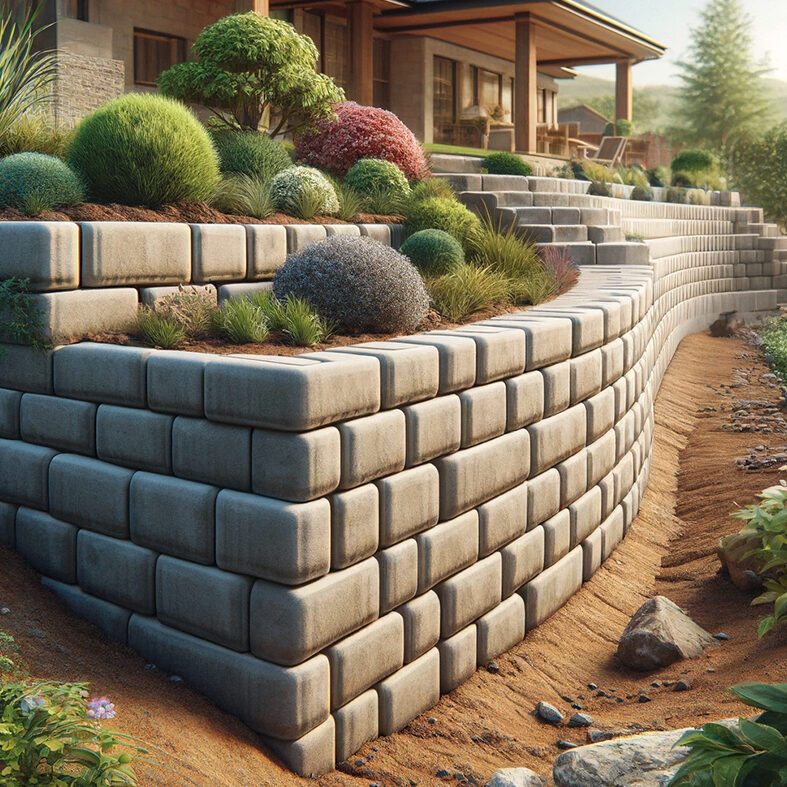
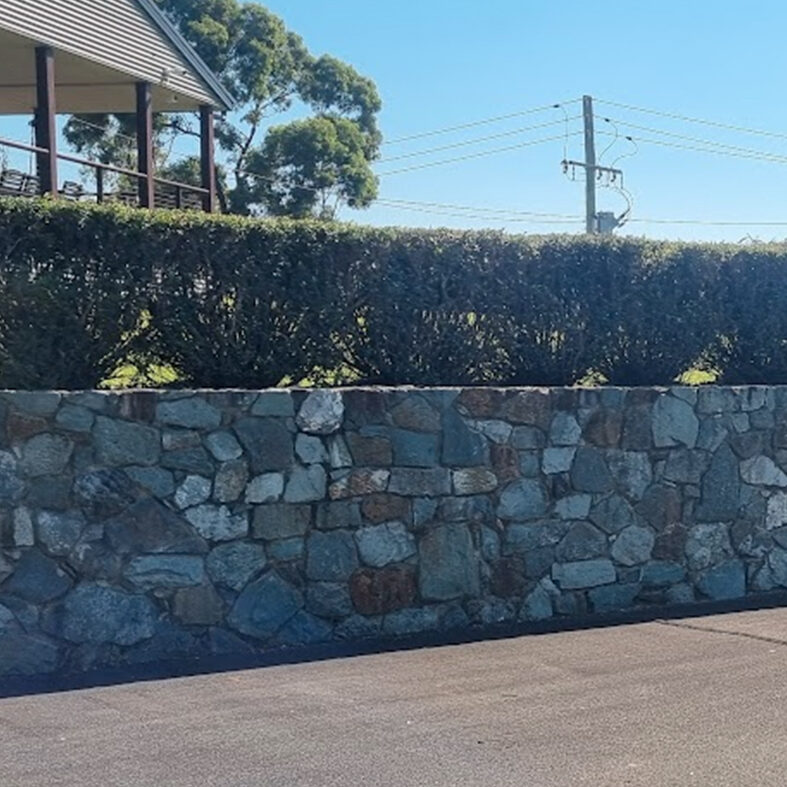
At Stability Engineering, we specialize in providing online retaining wall engineering plans. Our platform, stability.com.au, enables you to create a set of design drawings easily, which can then be submitted to a registered engineer for review and a contractor for pricing.
With our streamlined process, your engineering drawings can be approved by a registered structural engineer in hours, not weeks, saving you valuable time and money.
Create a new project and enter the project details, such as Address, Client, Type (Retaining Wall, Slab, Deck etc).
Draw the location of the project in a plan view using Stability Engineering’s easy to use drawing tools.
Upload a photo of the area, or Architectural Plans, and draw the location using Stability Engineering’s easy to use drawing tools.
Enter any project specific details, such as soil details for Slabs and Retaining Walls, or bearer and joist type for decks.
Pay a deposit online using a secure checkout with a Credit Card or Debit Card. Your drawings will be reviewed by a registered engineer. If all is in order then there is nothing more to be done, and your drawings will be issued within one business day. Otherwise, you will be contacted by the engineer for further details.
The engineer will send you an invoice for payment. Once paid your drawings will be sent to the email you have provided. Your drawings will remain available when you login to Stability Engineering, so you can make changes along the way.
Most Council’s require that a structural engineer design retaining walls, once they go above a certain height. This height varies from Council to Council, but is generally 600mm or 1m. For retaining walls lower than this height you do not need a structural engineer. Contact your local Council to find out what the maximum height is that you can build a retaining wall without an engineering design.
The standard that governs retaining walls in NSW is AS4678 – Earth Retaining Structures.
Generally you can build a retaining wall along the boundary of your property if you wish, however this is sometimes altered by site specific constraints. Examples of some of these constraints include; existing Council services, effect on neighbouring properties, type of retaining wall etc.
Every retaining wall is different, because site soil conditions vary, and the loads that will be applied to the top of the wall vary. Unfortunately many people think that all 1m high retaining walls are the same, all 1.2 m high walls are the same etc. This can lead to collapse of retaining walls, and risk to property and people. In the Coffs Harbour region alone, we know of 3 retaining walls that have fallen down because the builders and engineers used standard details, and did not account for the site specific soils or loads.
Another mistake that people can make is building multiple small retaining walls too close together, instead of one big retaining wall. For example, someone might build 3 600mm high retaining walls instead of one 1.8m high one. Using multiple smaller walls can work, but you need to provide enough setback between the walls to ensure that the top walls do not overload the bottom walls. The setback required between walls varies depending on the soil strength characteristics, the imposed loads on the soil above the walls and the geometry of the walls.